


PLEAC 2026 conference: PLEI in a changing world

Last month, close to 200 public legal education professionals from across the country gathered in Ottawa for the Public Legal Education Association of Canada (PLEAC)’s annual conference.
PLEAC is a national, non-profit organization that serves as an umbrella organization for public legal education and information (PLEI) groups across Canada. The 2026 conference was co-hosted by PLEAC, Community Legal Education Ontario (CLEO), and the Ontario Justice Education Network (OJEN).
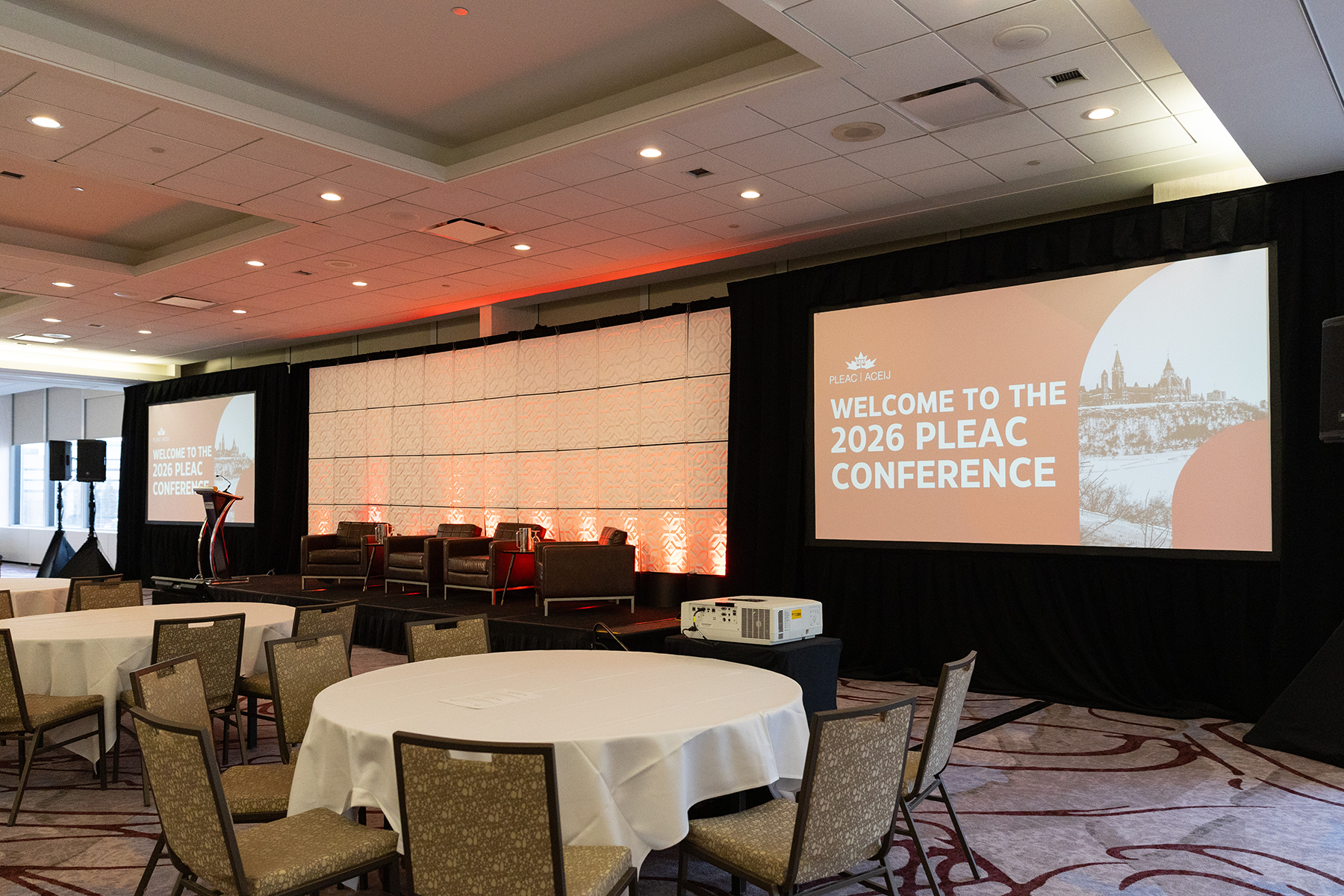
Attendees included public legal education organizations, legal aid and clinic staff, community organizations, academics, as well as federal and provincial justice and court representatives. The conference created a space to share and learn about current, timely developments relevant to public legal education and access to justice in Canada.
“Explore and Innovate: Public legal education in a time of change”
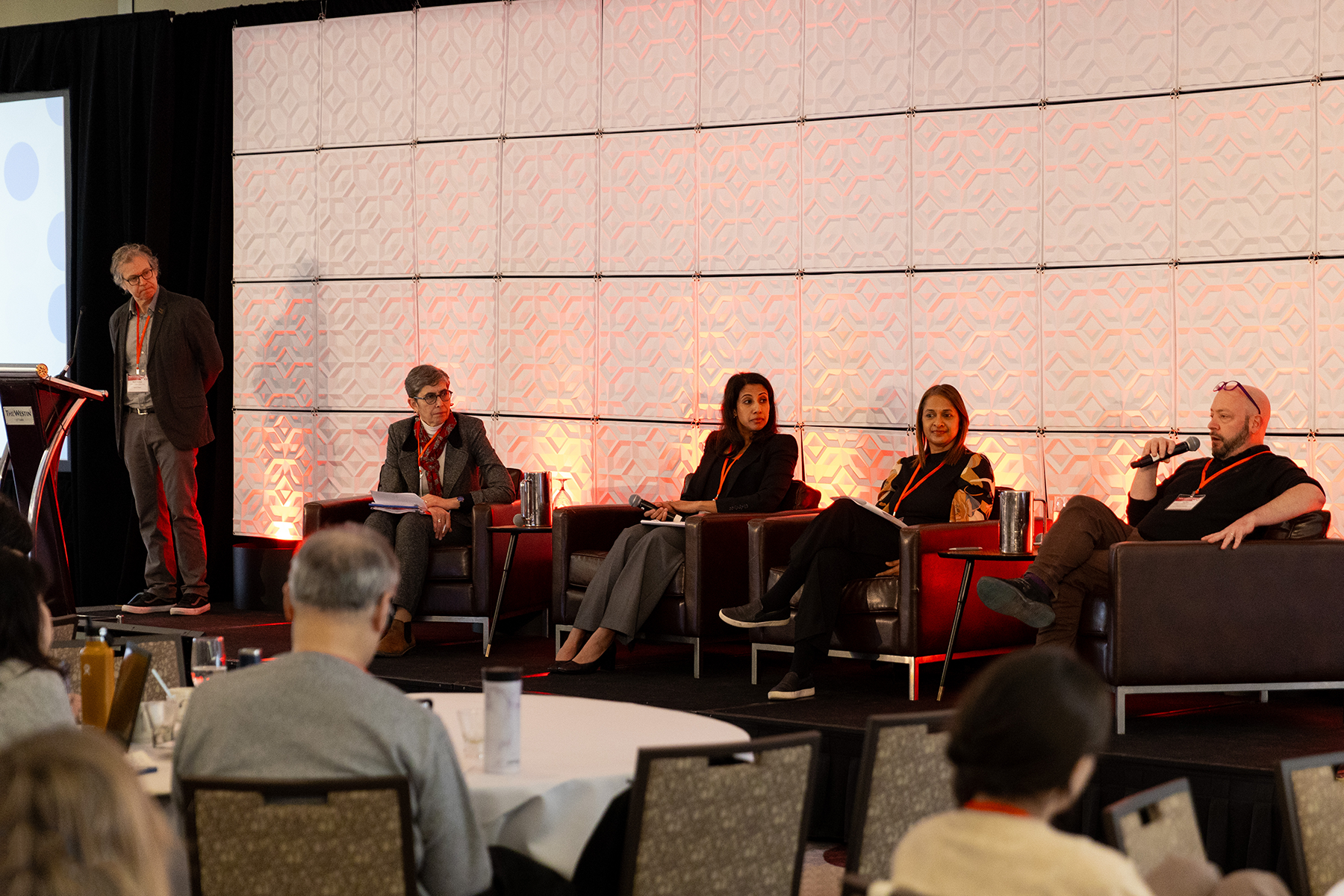
The theme of this year’s conference raised the question: how is public legal education changing?
“A lot is happening – technology is evolving quickly, misinformation is spreading more easily, trust is shifting, and communities across Canada are navigating very different access to justice issues than we saw even a few years ago,” said Hanna Holmes, PLEAC’s Bilingual Program Director and one of the conference organizers. “We wanted the conference to reflect that reality in a meaningful way and spark conversation, especially among PLEI groups.”
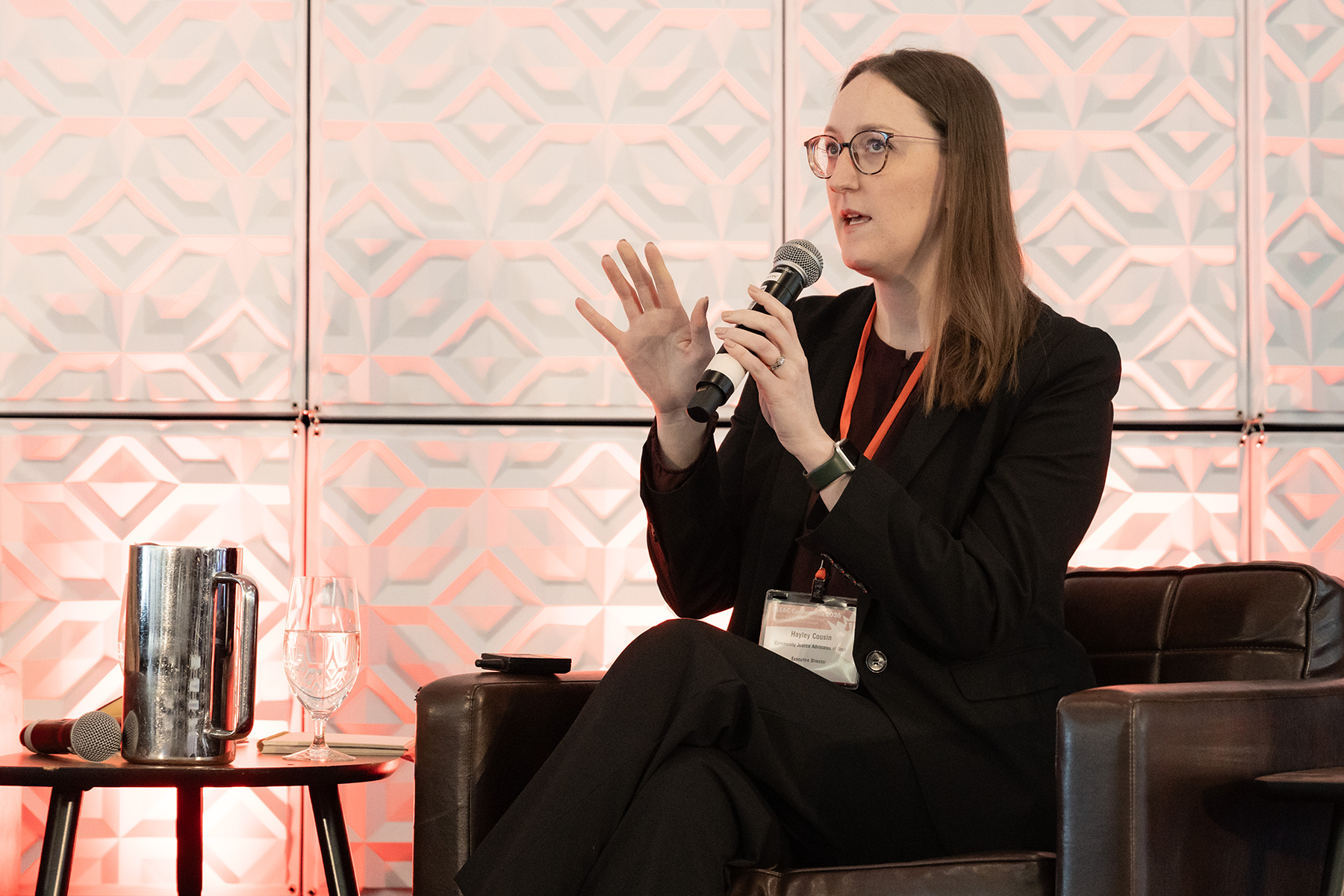
The conference focused on several key areas, which included strengthening public understanding of the rule of law, using technology thoughtfully and responsibly, making better practical use of data, building stronger connections with rural, remote, and Indigenous communities, and recognizing the critical justice work being done every day by non-lawyer community workers.
The event featured a number of speakers and sessions on various topics to support the key areas. Some of the highlights were: The role of public legal educators in building and understanding the Rule of Law; Strategies for connecting with rural, remote and Indigenous communities; Recent developments in online legal information; and What we can learn from community justice worker programs in the US. The recordings of these plenary sessions are linked above and available on PLEAC’s YouTube channel.
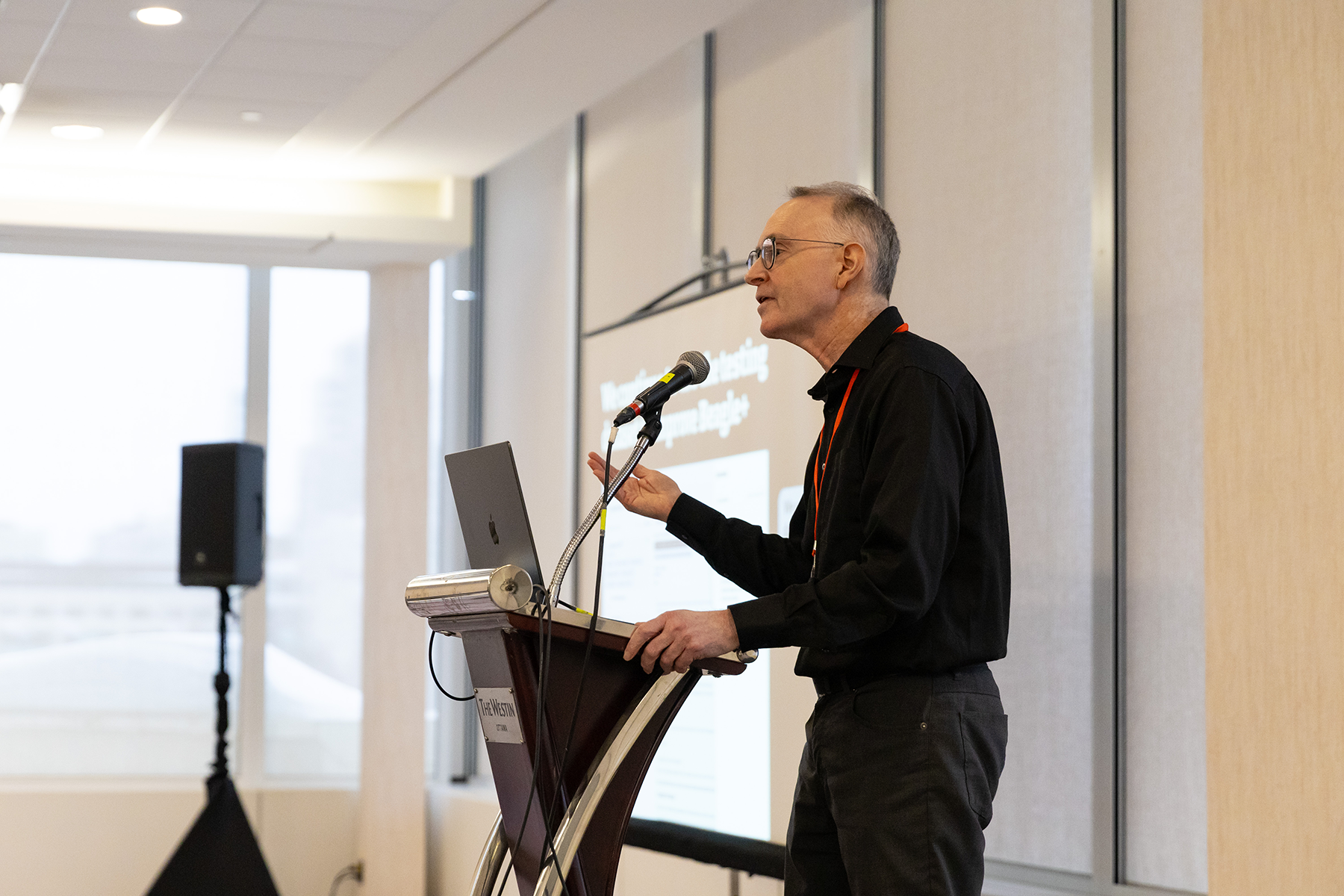
On the second day, OJEN’s Natasha Jaczek led a workshop on rethinking data collection in public legal education. This interactive session examined approaches to evaluation in public legal education programs, using examples from OJEN’s Indigenous and youth-led initiatives. The workshop opened up discussions on forms of impact that are valued by communities, along with ways to reflect trust, reciprocity, and local priorities in a program evaluation.
Building connections and networks of collaboration
One of the goals of the conference was to connect the attendees with one another and invite them to exchange ideas.
“We don’t always have a chance to connect with each other, especially in person across provinces and territories, let alone beyond Canada,” commented Hanna. “Bringing people together in one space created opportunities for collaboration and conversations across jurisdictions about real challenges facing organizations today, but also the shared successes worth celebrating.”
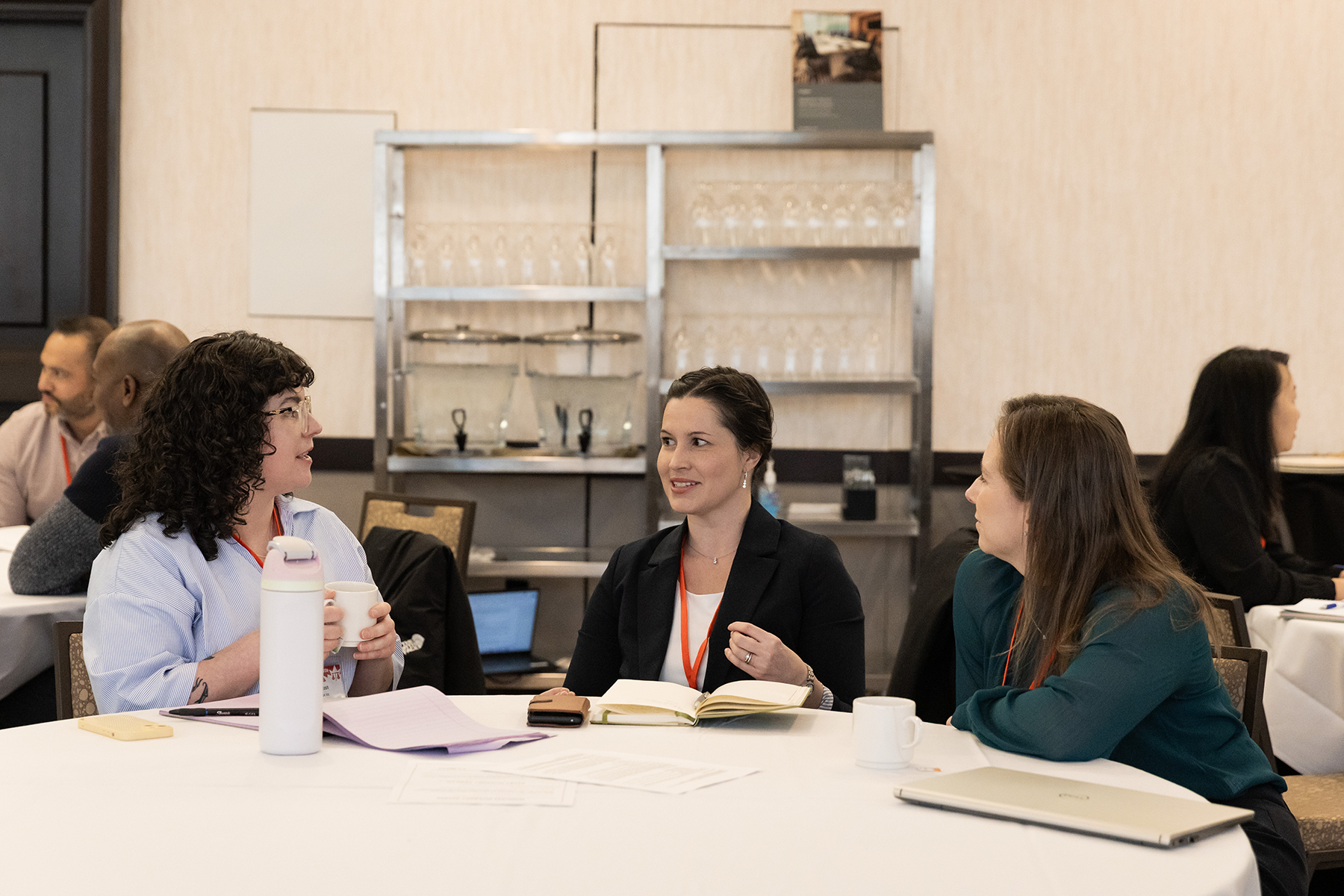
The three-day event provided opportunities for attendees to network, share knowledge, learn about the initiatives of fellow public legal education professionals, and consider new ideas to bring to their own practices.
Hanna concluded, “If attendees left with a few practical ideas that they could bring back to their work, some new connections to collaborate with, and a renewed sense of purpose and energy for what they do, then we accomplished what we set out to do.”
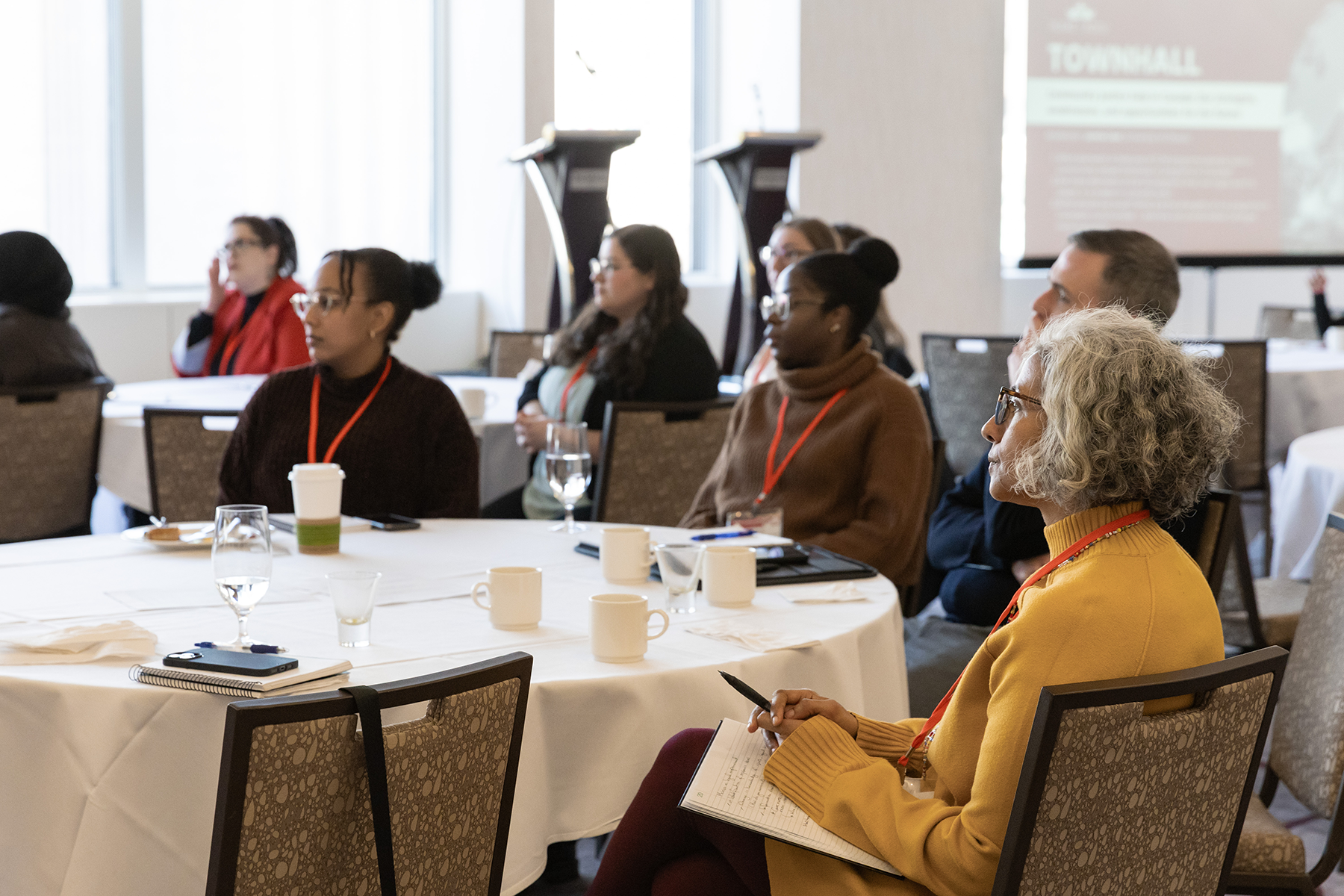
Thank you to our co-hosts, funders, attendees, and all of the conference supporters for a successful and memorable event.